
If you're a Pittsburgh family member noticing changes in your aging parent, you're not alone. That nagging feeling in your gut: the one that whispers something isn't quite right: deserves your attention. Many families struggle with recognizing when it's time to step in and provide additional support, often because we don't want to admit that our parents need help or because the changes happen so gradually that we don't notice them until they become significant.
The truth is, catching these warning signs early can make all the difference in keeping your loved one safe, healthy, and comfortable in the home they love. Let's walk through five key indicators that it might be time to explore in-home care services for your aging parent.
1. Noticeable Decline in Personal Hygiene
One of the earliest and most telling signs that your parent needs assistance is a visible change in their personal grooming habits. When the parent who always took pride in their appearance starts wearing the same clothes for days, skips showers, or stops brushing their teeth, it's time to pay attention.

This decline rarely happens because they've stopped caring. Instead, it usually signals underlying physical or cognitive challenges. The simple act of showering requires balance, coordination, and strength: all things that can diminish with age. Many seniors develop a genuine fear of falling in the bathroom, which leads them to avoid bathing altogether.
You might notice your dad's usually clean-shaven face sporting several days of stubble, or your mom's hair looking unwashed and uncombed. Perhaps their clothes have stains or their teeth appear yellowed. These aren't signs of laziness or giving up: they're red flags that daily tasks have become overwhelming or even frightening.
2. Struggles with Mobility and Increased Fall Risk
Watch how your parent moves around their Pittsburgh home. Are they gripping furniture as they walk from room to room? Have they stopped going upstairs to their bedroom? Do you notice new bruises or hear stories about "close calls"?
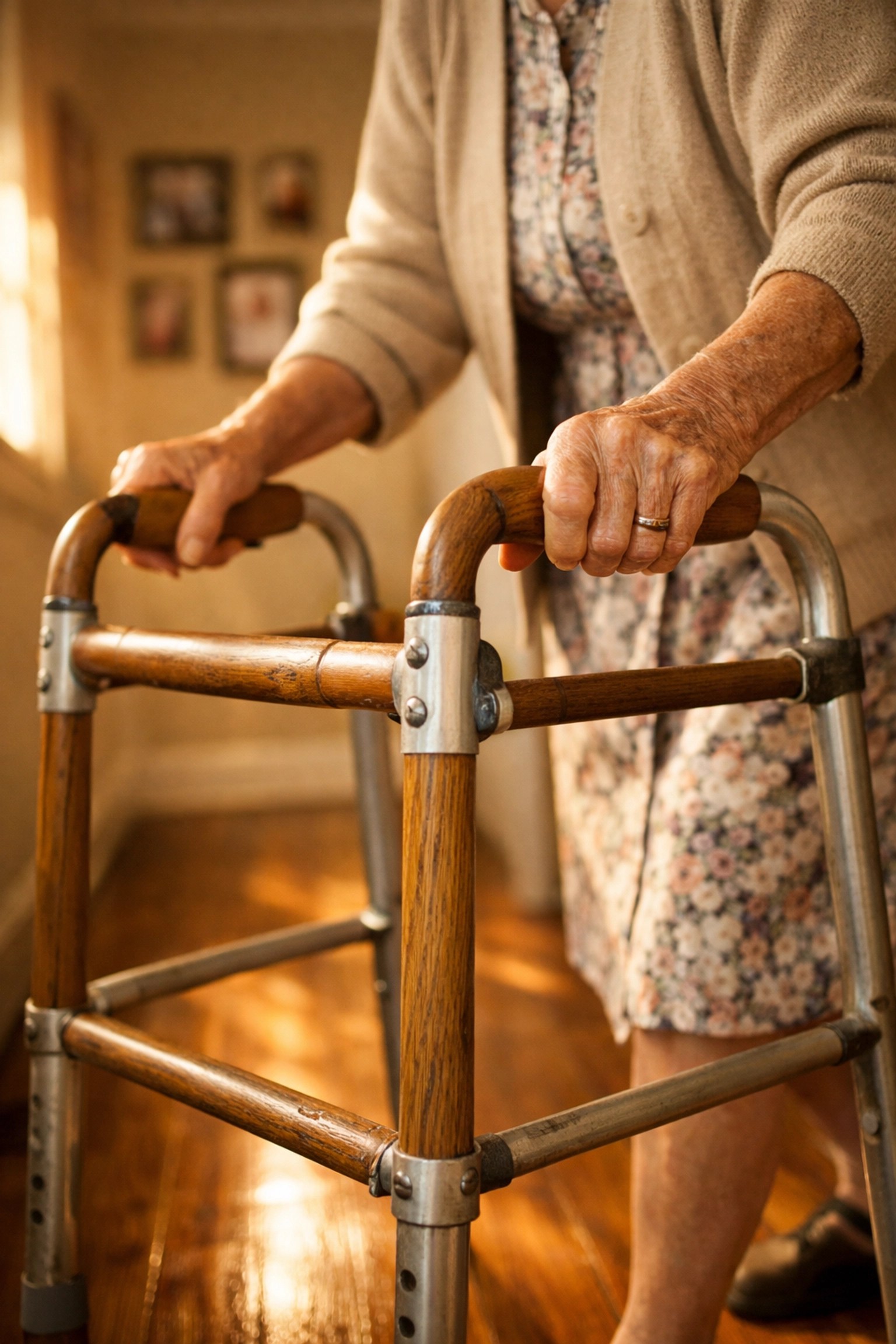
Mobility challenges often creep up slowly. Your parent might start using walls for support, avoid certain areas of the house, or stop participating in activities they once enjoyed because getting there has become too difficult. When someone needs a walker, wheelchair, or another person's assistance just to leave home safely, they're telling you they need help.
Falls are one of the leading causes of injury among seniors, and many Pittsburgh families don't realize how dangerous even a "minor" fall can be. If your parent has experienced even one fall: or several near-misses: it's absolutely time to consider professional home health agencies in Pittsburgh PA that can provide the support they need to move safely throughout their day.
3. Memory Loss and Cognitive Changes
Memory lapses happen to everyone, but certain patterns should raise concern. Is your parent asking the same questions repeatedly within a short time frame? Are they forgetting to take medications or taking them multiple times? Do they seem confused about dates, appointments, or familiar people?
Cognitive decline manifests in different ways. Your parent might leave the stove on, forget they've eaten (or insist they haven't when they have), or struggle to follow conversations they would have easily navigated before. They might get lost in familiar neighborhoods or have difficulty managing finances they've handled independently for decades.
These changes can be frightening for everyone involved. The good news is that professional caregivers from home care agencies Pittsburgh PA can provide medication reminders, meal preparation support, and companionship that helps keep your loved one mentally engaged and safe.
4. Personality Changes and Social Withdrawal
Perhaps the most heartbreaking warning sign is watching your parent's personality shift or seeing them withdraw from the life they've built. The parent who loved hosting family dinners suddenly makes excuses not to have visitors. The dad who never missed a Steelers game now sits alone in a dark room. The mom who volunteered weekly at church stops attending altogether.
Depression in seniors often looks different than in younger adults. Instead of sadness, you might see increased irritability, unexplained anger, or apathy toward things that once brought joy. Your usually gentle parent might become uncharacteristically critical or anxious. These behavioral changes can indicate emotional distress, loneliness, or cognitive decline: all situations where in-home care services can make a tremendous difference.

Social isolation is particularly concerning because it creates a downward spiral. When seniors stop engaging with others, their mental and physical health often deteriorates more rapidly. A compassionate caregiver doesn't just help with tasks: they provide meaningful companionship that can literally add quality years to your parent's life.
5. An Increasingly Unsafe Home Environment
Take a real look around your parent's home during your next visit. Is mail piling up unopened? Are dishes stacked in the sink for days? Do you notice clutter creating trip hazards or food spoiling in the refrigerator?
A formerly well-maintained home that's becoming cluttered, dirty, or unsafe tells you that household tasks have become unmanageable. You might find expired food still in the pantry, trash overflowing, or utilities being shut off due to unpaid bills. These aren't signs of carelessness: they're clear indicators that daily living activities have become too overwhelming.
Sometimes Pittsburgh families discover more serious issues: evidence of wandering (neighbors reporting your parent walking outside in pajamas), damaged property from accidents, or significant home repairs being neglected. These situations create genuine safety hazards that need immediate attention.
What Pittsburgh Families Should Do Next
Recognizing these warning signs is the first step. The next is having an honest, loving conversation with your parent about getting help. This discussion isn't always easy: many seniors resist the idea of needing assistance because they fear losing independence. Approach the conversation with compassion, focusing on how Pittsburgh home health care can actually preserve their independence by allowing them to stay safely in their own home.

At Misty's Angels Home Health Care, we understand how difficult these transitions can be. We've walked alongside countless Pittsburgh families facing these exact challenges, providing that personalized "Angel touch" that keeps seniors comfortable, safe, and connected to the life they love.
In-home care doesn't mean your parent has failed or that you've somehow let them down. It means you're taking proactive steps to protect someone you love while honoring their desire to age in place. Our caregivers become trusted companions who not only assist with daily tasks but genuinely care about your loved one's well-being.
Trust Your Instincts
If you're reading this article because something feels off, trust that instinct. You know your parent better than anyone else. Those subtle changes you're noticing: even if you can't quite put your finger on what's different: deserve attention.
The beauty of working with compassionate home care agencies Pittsburgh PA like Misty's Angels is that care can be customized to your family's specific needs. Maybe your parent needs help just a few hours a week, or perhaps they require more comprehensive around-the-clock support. There's no one-size-fits-all solution, and that's okay.
Your parent worked hard their entire life to provide for you. Now it's your turn to ensure they receive the dignified, compassionate care they deserve. Getting help isn't giving up: it's one of the most loving things you can do for someone who means the world to you.
If you're noticing any of these warning signs in your aging parent, reach out to us today. Let us provide your loved one with the kind of care that lets them remain in the home they cherish, surrounded by memories and comfort, with an Angel watching over them every step of the way.
Leave a Reply